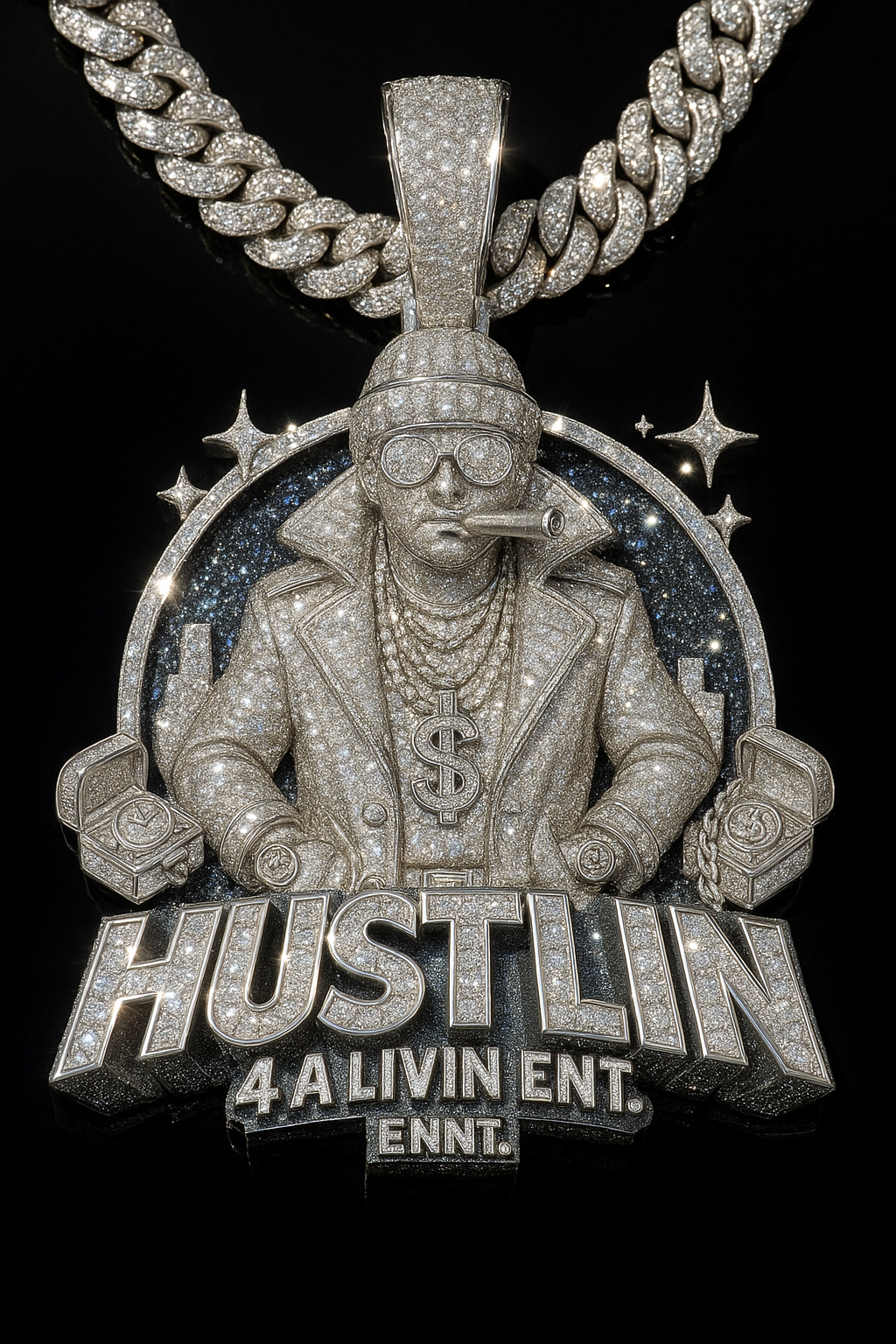
In 2025, the landscape of the music industry continues to evolve, and independent labels are carving out a larger space in this dynamic environment. As artists seek authenticity and connection with their audiences, independent labels emerge as champions of creativity, offering unique advantages that major labels often overlook. From personalized support to innovative marketing strategies, indie labels provide a platform where talent can thrive, enabling artists to take full control of their careers. In this post, we will explore the strengths of independent labels in the music industry, showcasing why they are becoming the preferred choice for many musicians today.
Moreover, independent labels are redefining the notion of success in music by empowering artists and fostering an ecosystem rich in creative freedom. Unlike their major label counterparts, indie labels prioritize artistic vision over commercial constraints, allowing musicians to explore diverse sounds and experiment with their identities. This approach not only nurtures a vibrant and diverse music culture but also inspires industry-wide innovation. Join us as we delve into the impact of independent labels on music culture and discover why they are leading the way in 2025.
Uncovering the unique advantages of independent labels in the music industry
Independent labels carve out a distinct niche in the music industry by offering artists unmatched flexibility and personalized attention. Unlike major labels, indie labels prioritize the artist's vision over commercial pressures, allowing for a more authentic creative process. They nurture a close-knit relationship between the artist and their team, fostering collaboration that leads to innovative sounds and fresh perspectives. This unique environment not only inspires musicians but also encourages experimentation, resulting in diverse musical offerings that resonate with fans.
Additionally, independent labels often excel in building strong, loyal fan bases through grassroots marketing methods. They leverage social media and local events to connect artists directly with their audiences, fostering community engagement. This approach minimizes the reliance on traditional promotional channels, which are frequently dominated by major labels. As a result, independent labels empower artists to take control of their careers, cultivate their unique brand identities, and establish sustainable paths to success in an ever-evolving music landscape.
How independent labels empower artists and foster creative freedom
Independent labels provide artists with a platform where they can express their true artistic vision without the constraints imposed by major corporations. These labels prioritize nurturing creativity, enabling musicians to explore diverse sounds and styles that resonate with their personal identities. By offering flexible contracts and tailored support, indie labels ensure that artists retain ownership of their work, giving them the freedom to make decisions about their music, branding, and overall career trajectory. This autonomy fosters a sense of entrepreneurship among artists, encouraging them to take risks that can lead to groundbreaking innovation within the music industry.
Moreover, independent labels often create a more personal and collaborative environment, allowing artists to work closely with experienced producers and mentors who share their passion for music. This close-knit relationship between artists and label personnel serves to enhance the creative process, leading to the development of music that feels authentic and meaningful. Additionally, indie labels frequently engage with local communities and grassroots movements, helping to build a loyal fanbase that connects with the artist's ethos. In this supportive ecosystem, artists can not only hone their craft but also cultivate a unique sound that stands out in a crowded marketplace, ultimately driving their success in the music industry.
The lasting impact of indie labels on music culture and industry innovation
Independent labels have continuously pushed the boundaries of music culture, introducing innovative sounds and genres that major labels often overlook. By prioritizing artistry over commercial viability, these labels create a space where experimentation flourishes. Artists under indie labels often take bold creative risks, leading to groundbreaking work that shapes trends and inspires movements. This cultural impact is evident in the rise of genres like indie rock, lo-fi, and bedroom pop, which have garnered massive followings and significantly influenced mainstream music. As a result, indie labels contribute to a diverse and vibrant music landscape, enriching the listening experience for fans worldwide.
Moreover, independent labels play a crucial role in driving innovation within the music industry itself. They frequently adopt new technologies and platforms ahead of their major counterparts, setting the stage for changes in distribution, marketing, and fan engagement. By embracing digital solutions and social media, indie labels connect artists directly with their audience, bypassing traditional gatekeepers. This not only democratizes the music industry but also empowers artists to take charge of their careers. In 2025, as the digital landscape continues to evolve, the agility and adaptability of independent labels will likely keep them at the forefront of industry innovation, ensuring their lasting influence on music culture for years to come.